Field journal · Tea-country chronicle · Hatton Central Province · Spring 2026 · Contact
Highland Notes A tea-country journal
Journal · Five reports · 2026

A tea country, read slowly, from the high estates down to the auction floor.

Highland Notes is an independent journal of the Ceylon tea country — written from Hatton, in the Central Province of Sri Lanka, from the trade press of a hundred and fifty years, the estate ledgers I have been allowed to read, and the long mornings spent on the plucking paths between Talawakelle and Nuwara Eliya.

Highland Notes — A Ceylon tea-country journal
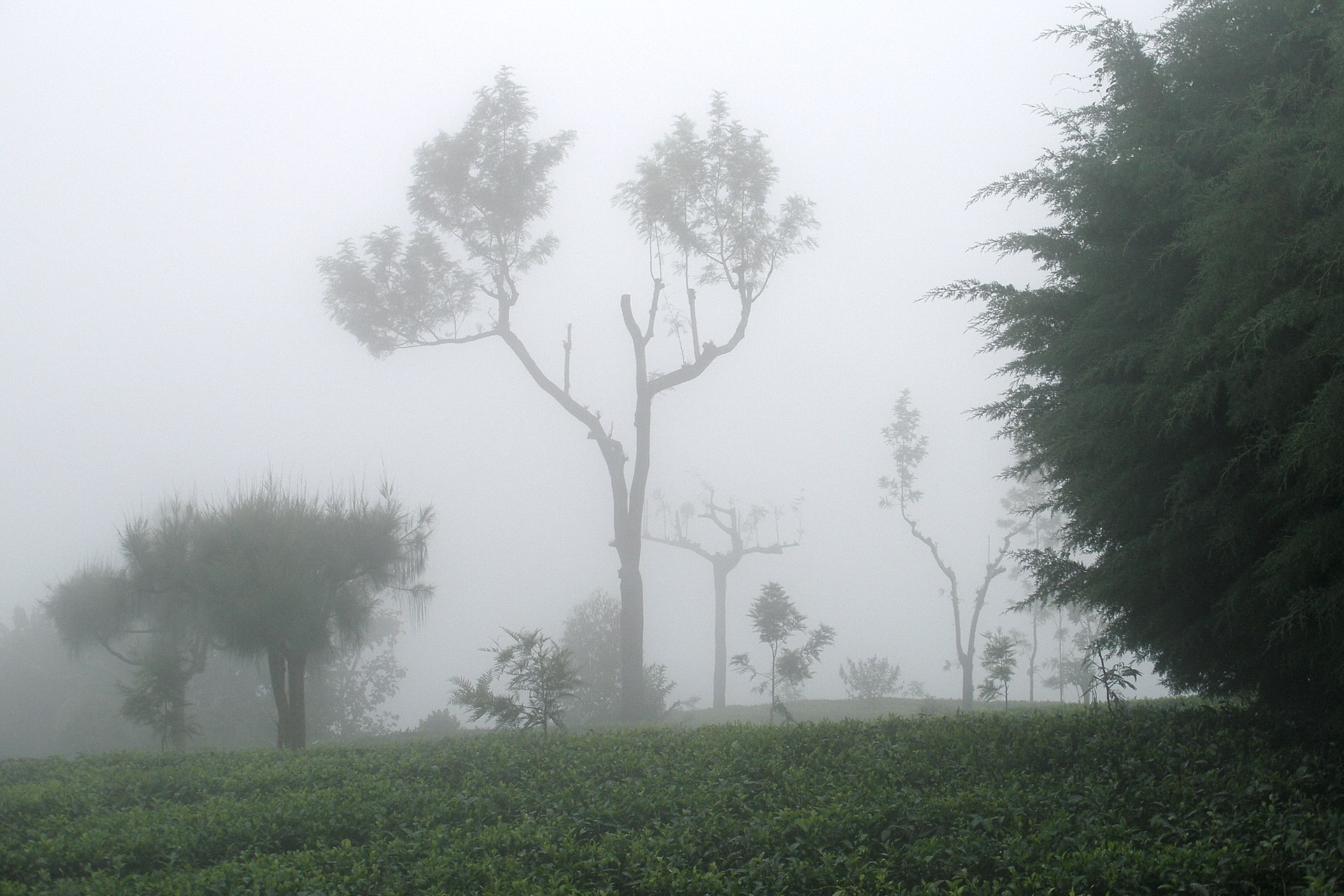
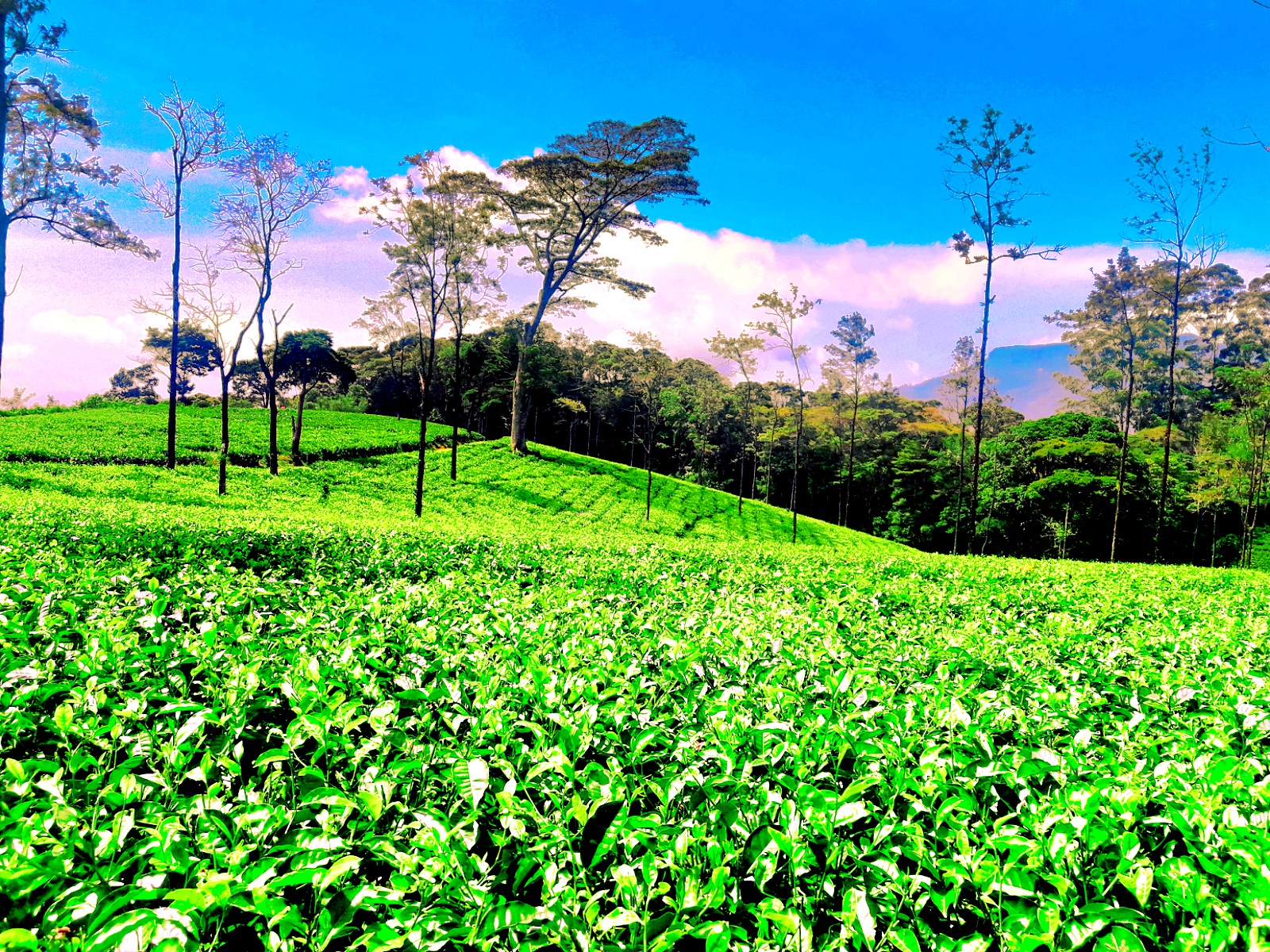
Above — Highland Notes, the upper division, in early monsoonPhotograph: Wikimedia Commons (CC)
6°57'N · 80°47'E 1869 → 2026 · One country · One leaf Independent · Non-commercial · Reader-supported by letter
The journal

Five reports from the high country.

Each report is a slow reading of one part of the Ceylon tea world — the founding pivot, the plucking year, the factory floor, the Colombo auction, the three elevations — written from the trade press, the estate diaries, and the conversations on the path itself.

Coffee to tea — the pivot of 1869
Report 01 · Pivot14 min · 1869

Coffee to tea: the pivot of 1869

In the autumn of 1869 a fungus called Hemileia vastatrix appeared on the coffee leaves of the Madulsima estate, in the Uva, and within ten years it had erased the Ceylon coffee industry. The estates that survived were the ones that, on the advice of a young Scottish planter named James Taylor at Loolecondera, replanted with the Assam tea bush.

Read the field report →
The plucker's calendar — a year on a 1,400m estate
Report 02 · Calendar12 min · The year

The plucker's calendar: a year on a 1,400m estate

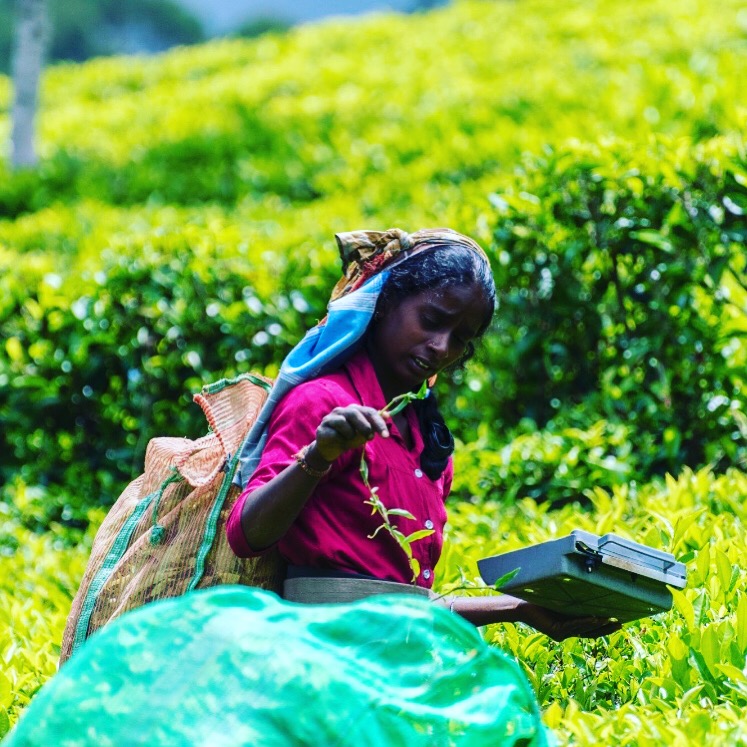
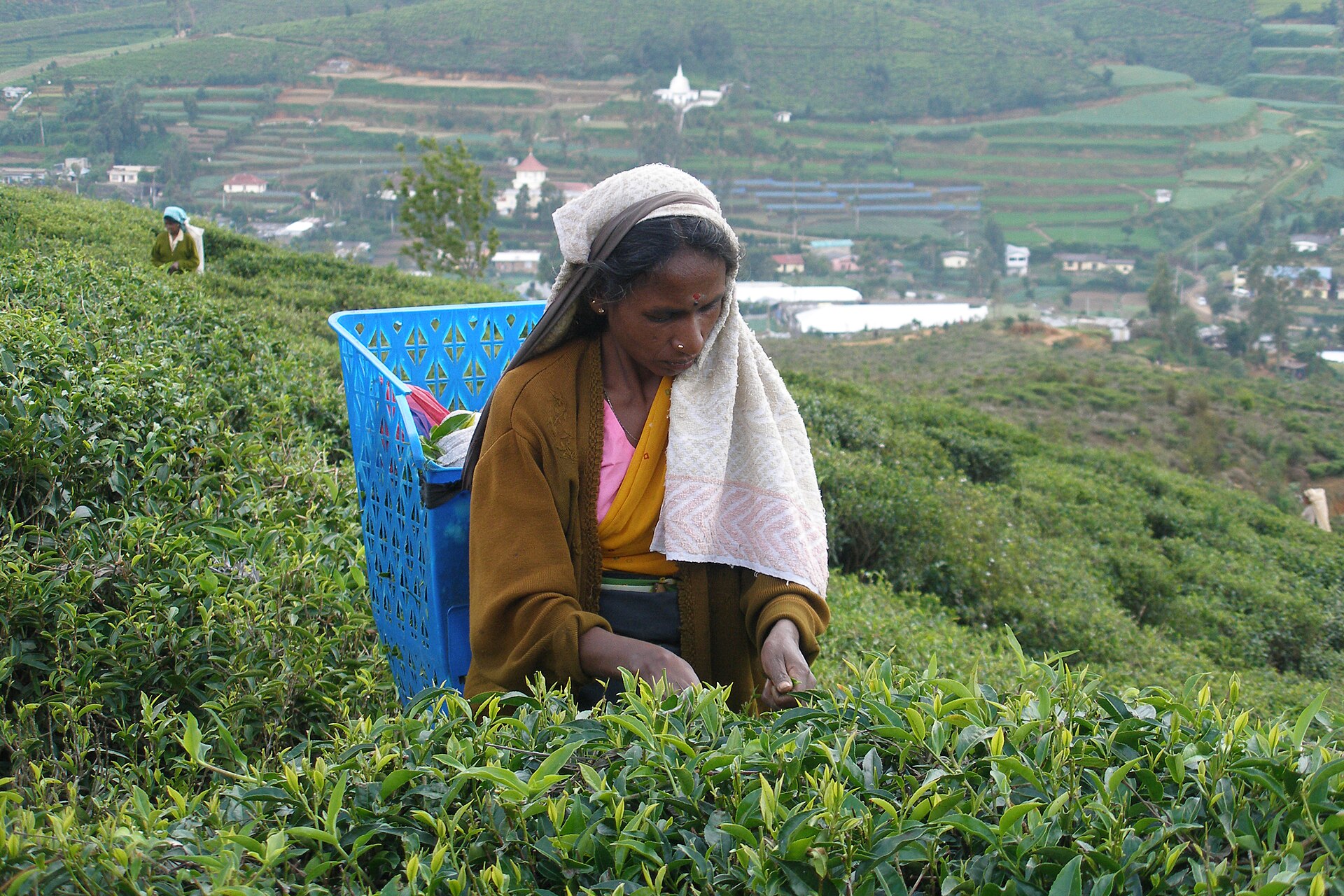
The plucking year on a Dimbula estate at fourteen hundred metres has two flushes — the western quality season from January to March, the eastern flush from June to September — and a long dormant interval in between. A reading of the year, week by week, from the field notebooks of the head kanganis and the tea-maker's daily report.

Read the field report →
The factory floor — withering, rolling, oxidation, firing
Report 03 · Factory15 min · The leaf

The factory floor: withering, rolling, oxidation, firing

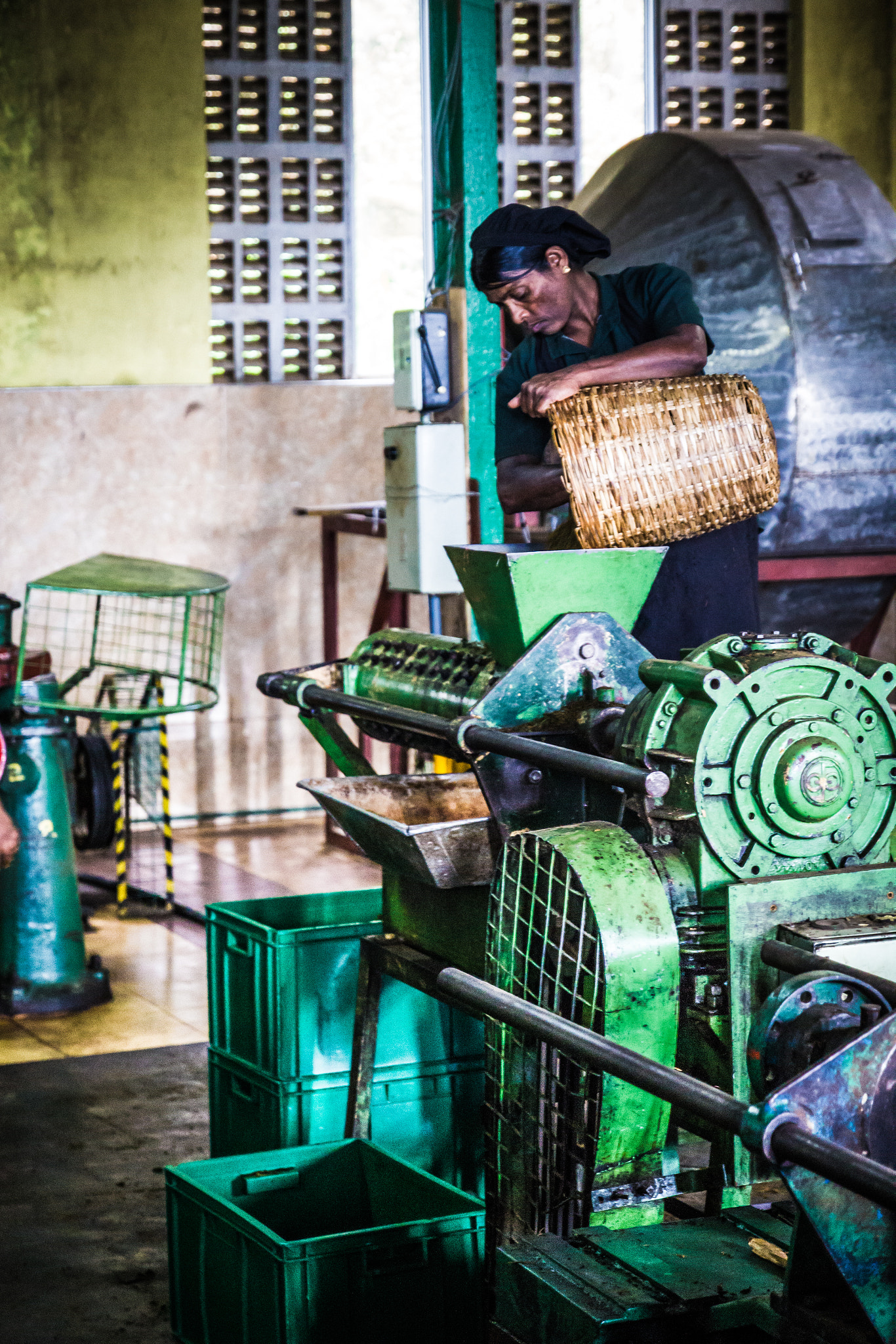
The orthodox tea factory of the Ceylon high country is a four-storey timber building organised around a single descending journey of the leaf — withering on the upper troughs, rolling on the second floor, oxidising on the great copper trays, firing in the long horizontal driers. A reading of one factory at Talawakelle, from the four o'clock start to the late-evening sorting.

Read the field report →
Smallholders and the Colombo tea auction, since 1883
Report 04 · Auction13 min · 1883–2026

Smallholders and the Colombo auction, since 1883

The Colombo public tea auction has been held, almost without interruption, every week since the thirtieth of July 1883. It is now the largest tea auction in the world by volume, and the principal route to market for the four hundred thousand smallholder growers in the Sabaragamuwa and the low country who have, in the last forty years, quietly displaced the estates as Ceylon's largest tea producer.

Read the field report →
High-grown, mid-grown, low-grown — three elevations
Report 05 · Elevation11 min · The map

High-grown, mid-grown, low-grown: a reading of three elevations

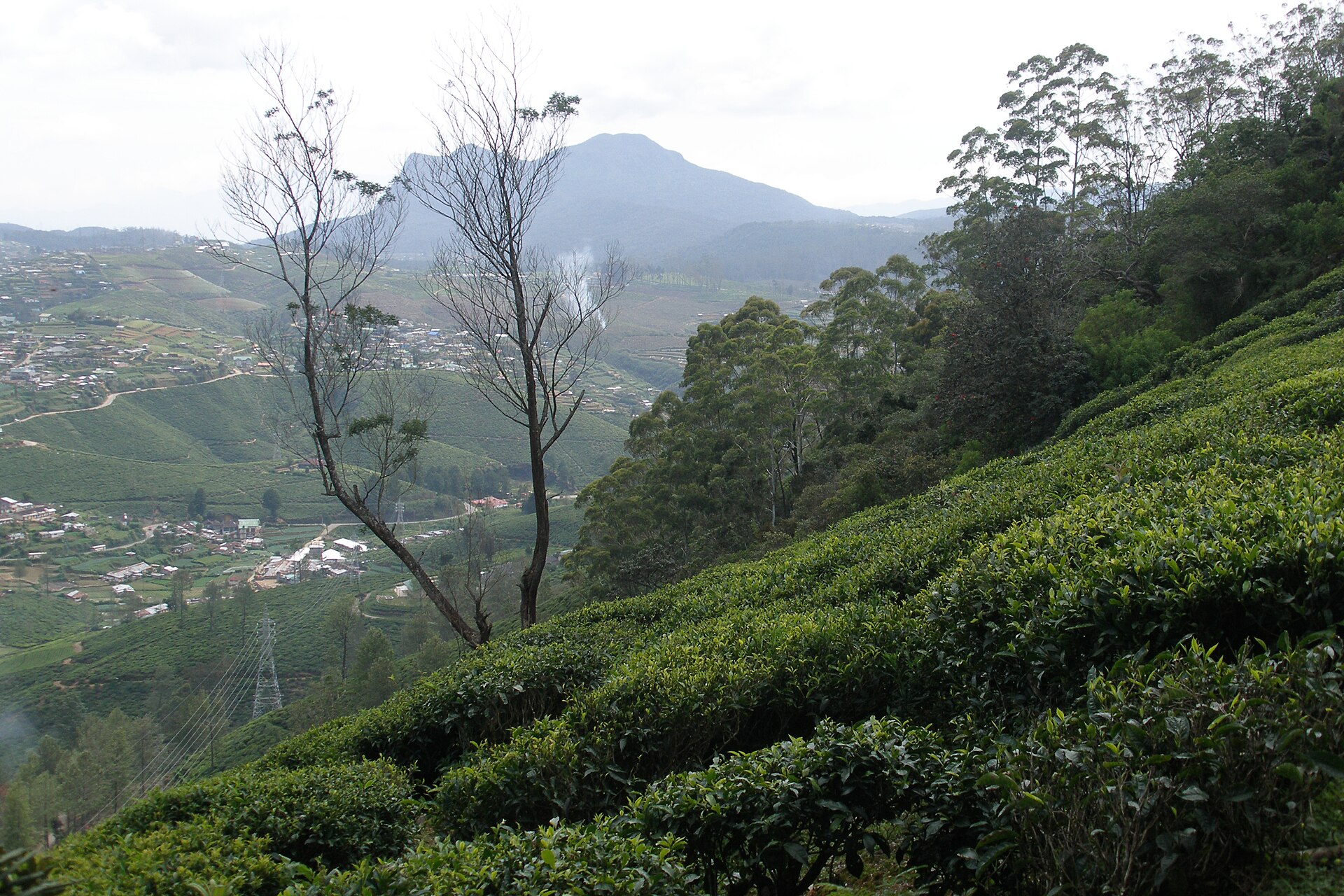
Ceylon tea is, by long convention of the Colombo trade, organised into three elevations — high-grown above twelve hundred metres, mid-grown between six hundred and twelve hundred, low-grown below six hundred — and the three teas are, in cup quality, in price, and in market, three distinct worlds. A reading of the three, from the Nuwara Eliya plateau down to the Ratnapura lowlands.

Read the field report →
Ranjith Karunaratne
// The author

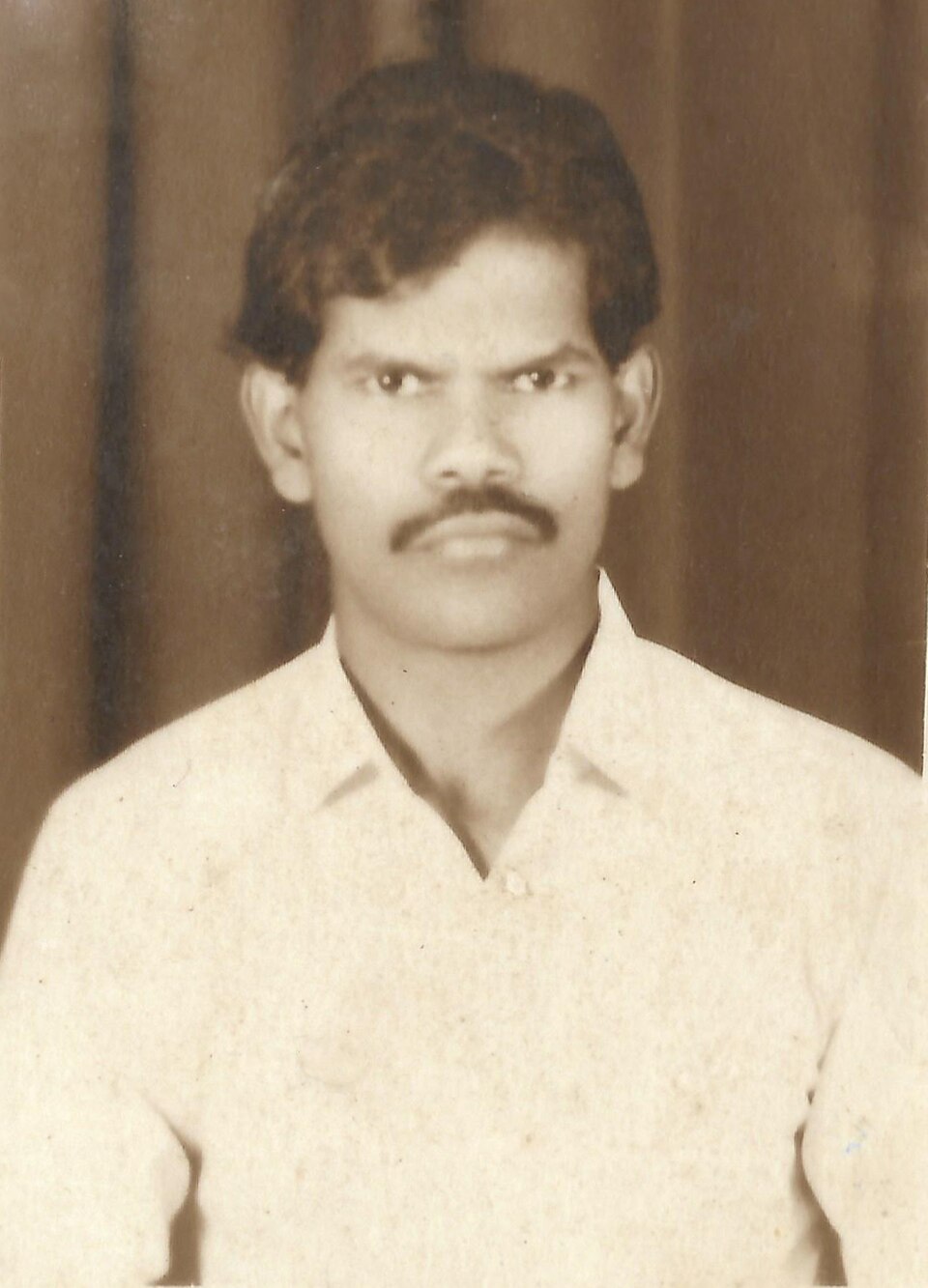
Ranjith Karunaratne — Tea-trade journalist, Hatton.

Third-generation tea-trade journalist on the Ceylon highland press. Twenty-eight years on the beat, the last fifteen from a corner office above the public library in Hatton. Grandfather sorted leaf at Pedro estate; father wrote for the Planters' Association Bulletin in the seventies. More on the project →